
 public
Understanding the Basics of Bluffing
Bluffing is an essential strategy in poker that plays a crucial role in tournaments, and players often seek resources like 1win to enhance their skills. It involves deceiving opponents into believing that you hold a stronger hand than you actually do. Mastering the art of bluffing means understanding how to manipulate your opponents’ perceptions and emotions. Successful bluffing requires a keen awareness of the dynamics at the table, including the tendencies of your fellow players and the structure of the tournament.
One of the key components to effective bluffing is timing. Knowing when to execute a bluff can often be the difference between success and failure. It is important to observe the betting patterns of your opponents and identify moments where they may fold due to perceived strength. For example, if you have been playing conservatively and suddenly make a large raise, your opponents may be more likely to believe you have a solid hand, creating an opportunity to bluff successfully.
Additionally, visual cues and body language play a significant role in bluffing. Being aware of how you present yourself at the table can greatly influence how your opponents perceive your hand. For instance, maintaining a calm demeanor and adopting consistent betting patterns can prevent your opponents from detecting any signs of bluffing. Overall, understanding the psychological aspects of poker is essential to executing effective bluffs in tournaments.
Identifying the Right Moments to Bluff
Knowing when to bluff is often as important as how to bluff. There are specific situations in which bluffing can be more advantageous. For example, if you are on a later street in a hand and the board presents a possibility for a strong hand, it may be an ideal time to execute a bluff. Opponents who are aware of the potential for straights or flushes may be more inclined to fold weaker hands, giving you the chance to win the pot without needing to show your cards.
Moreover, your table position plays a vital role in determining the right moments to bluff. Being in a later position can provide invaluable information based on how previous players have acted. If early players have shown weakness, it may indicate that they do not possess strong hands, making it a prime opportunity for a successful bluff. Conversely, bluffs from early positions are generally riskier as you have less information about your opponents’ strategies.

Another factor to consider is the nature of your opponents. Some players are more likely to call bluffs due to a lack of faith in their own hands. Recognizing who these players are can help you determine when to take a risk. For instance, if you notice that a specific player often calls bets without strong hands, bluffing against them may yield less success. In contrast, against more conservative players, a well-timed bluff can be highly effective.
The Psychology Behind Bluffing
The psychological aspect of bluffing is fundamental to its success. It is vital to not only understand your own mental state but also the psychological tendencies of your opponents. For instance, if you know an opponent tends to tilt easily when they lose a pot, this knowledge can influence how you choose to bluff. You can exploit their frustration by making bold moves that might induce a fold, especially if they are feeling sensitive about their recent losses.
Additionally, recognizing the emotional state of your opponents can guide your bluffing strategy. If a player is overly cautious or defensive, they may be more inclined to fold when faced with aggression. On the other hand, if a player is feeling confident and has recently won several hands, they may be less likely to fold, even to well-constructed bluffs. Understanding these psychological elements can turn the tides in your favor during a tournament.
It is also essential to maintain your own emotional control while bluffing. Letting emotions dictate your decisions can lead to irrational plays and unnecessary risk-taking. For instance, if you find yourself feeling overwhelmed or anxious in a high-stakes situation, it can affect the effectiveness of your bluffing strategy. Staying composed and focused can help you read the table more effectively and respond with calculated decisions.
Bluffing Techniques and Strategies
Several techniques can enhance your bluffing game during poker tournaments. One popular method is the semi-bluff, where you bet or raise with a drawing hand that has the potential to improve. This type of bluff retains strength, as you may be able to improve your hand even if your opponents call. For example, if you hold a flush draw and aggressively bet, if your opponents call, you still have a chance to hit your flush on the next card, making the semi-bluff particularly powerful.
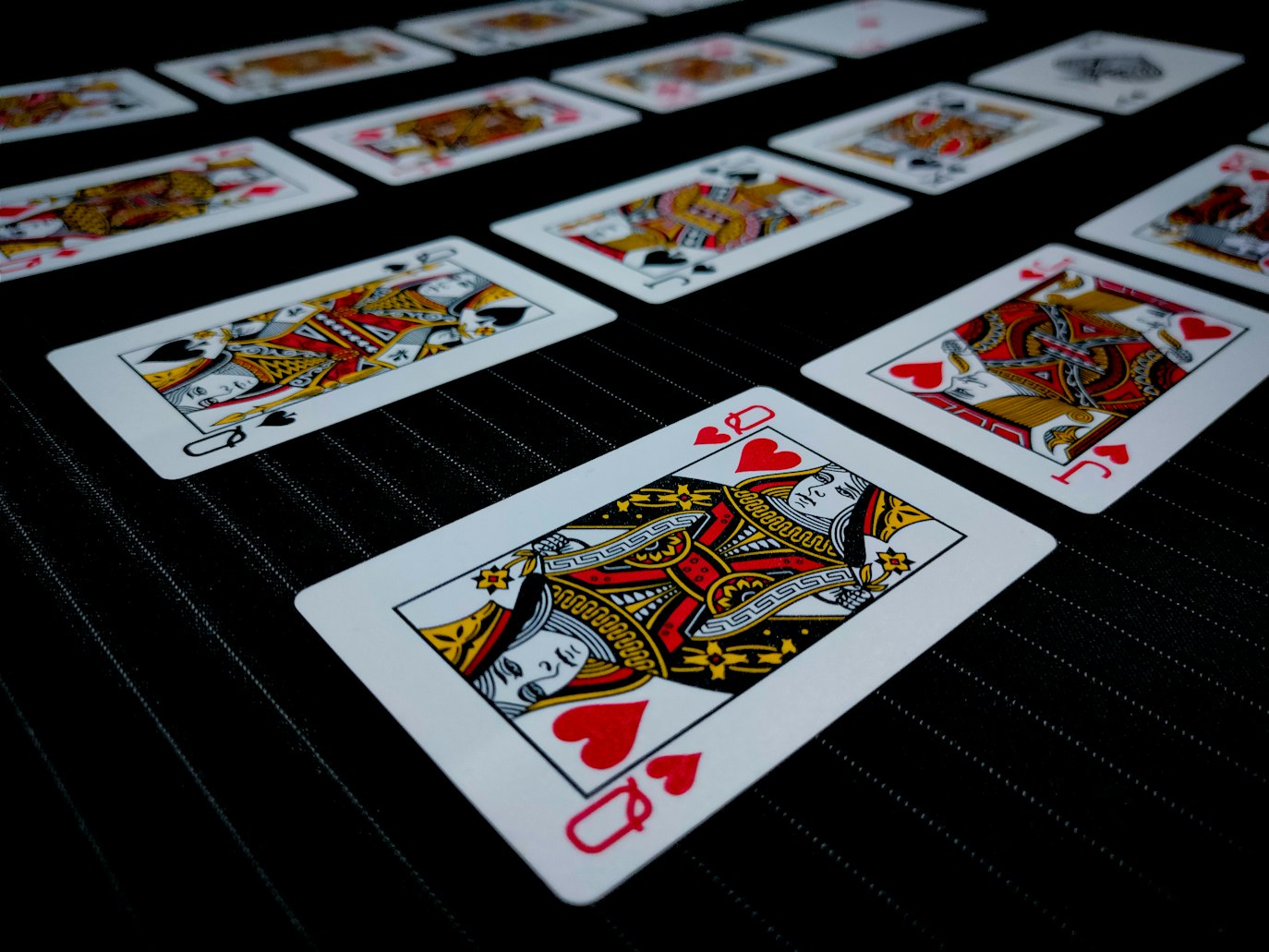
Another effective bluffing technique is the story bluff, which involves creating a narrative with your betting patterns that suggests a strong hand. If you have been playing tight and suddenly start betting aggressively on a coordinated board, it can convince your opponents that you have a strong hand. Integrating this technique with consistent behavior can lead your opponents to believe your “story,” enhancing the success rate of your bluffs.
Additionally, utilizing the concept of table image is vital. Your image at the table can either aid or hinder your bluffing attempts. If you have been playing aggressively, your opponents may expect you to continue this trend, making bluffs less likely to succeed. Conversely, if you have established a tight image, they may be more inclined to fold against your bets. Adapting your table image based on your awareness of the players around you can create opportunities for successful bluffs.
Improving Your Bluffing Skills
To become a proficient bluffer in poker tournaments, continuous practice and self-evaluation are key. Engaging in various poker formats, including cash games and online play, can help refine your bluffing techniques. Each environment provides unique challenges that can improve your skills and adaptability. Regularly participating in these formats allows you to experiment with different bluffing strategies and receive immediate feedback on their effectiveness.
Keeping a poker journal to track your hands, decisions, and outcomes can also provide valuable insights into your bluffing game. Reviewing your plays, especially the bluffs that succeeded or failed, will help you analyze the factors that contributed to those outcomes. Over time, this habit will aid in recognizing patterns and trends in your own play, enabling you to make more informed decisions in future tournaments.
Finally, studying advanced poker strategies through books, videos, or training sites can further enhance your understanding of bluffing. Learning from seasoned players who share their experiences and insights can provide new perspectives on the art of bluffing. By integrating theoretical knowledge with practical experience, you can create a strong foundation to become a successful player in tournaments.

Comments are closed